




Nutrition Essentials Challenge
September 14 to October 13

Bring your focus back to the food that your eating and cultivate a healthy mindset around nutrition, all the while giving back to a good cause with our Nutrition Essentials Challenge on the Virtue Healthcare App.

Table of Contents
- Intention - Rewards - Macronutrients - Fats - Protein - Carbohydrates - Water - Charity -
Intention & Overview
Welcome to the 30 day Nutrition Essentials Challenge.
To participate in the challenge, join us in the Virtue Healthcare Training App.
The challenge will run from September 14th to October 13th.
All of our challenges are encouraging, educational and help you build healthier habits.
In this one we focus on proper hydration, consuming whole foods, and creating balanced meals.
How the challenge works
There are 7 nutrition tasks to be completed each day, 1 point to be earned upon completion of each task. There are 210 possible points available to be earned over the 30 days.
There will be prizes for the top 3 participants.
Virtue Healthcare will also donate $7.50 for each member that earns at least 120 points over the course of the challenge to Kinvia, formerly Canadian Feed the Children.
Daily Nutrition Tasks
Drink 1.5 liters of water minimum
Create and consume a minimum of 3 meals that include all 3 macronutrients
Consume at least 100g of protein
Consume at least 50g of healthy fat
Consume only whole foods
Macronutrients
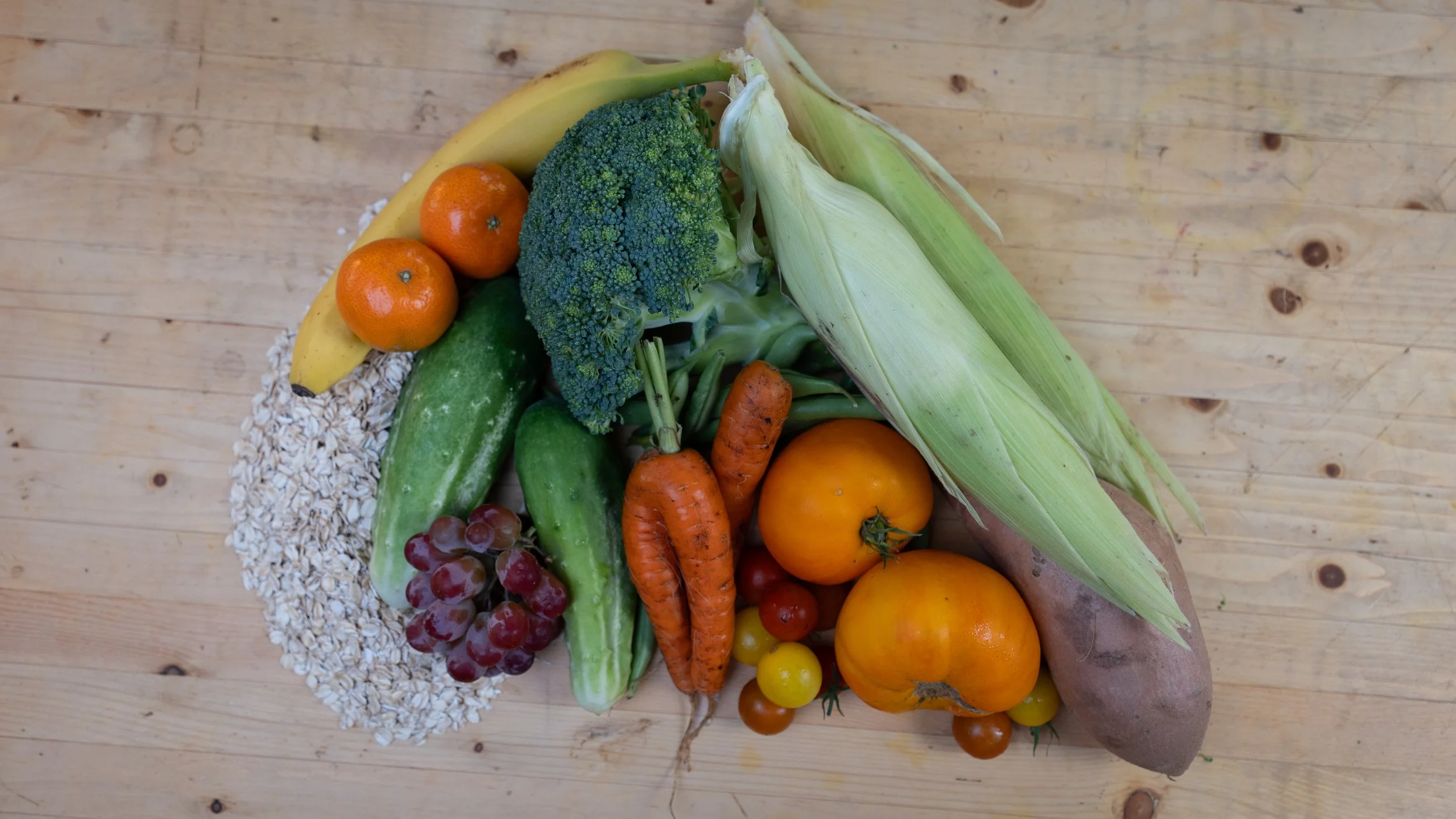
Whole food carbohydrates provide the body with the energy it needs to get from A to B and fuel activities and training. Packaged bars have their time and place but if it’s a matter of convenience we’re not falling for it. An apple is just as convenient as a packaged bar, without all the added unnecessary ingredients, plus all the nutrient benefits that make us feel alive!
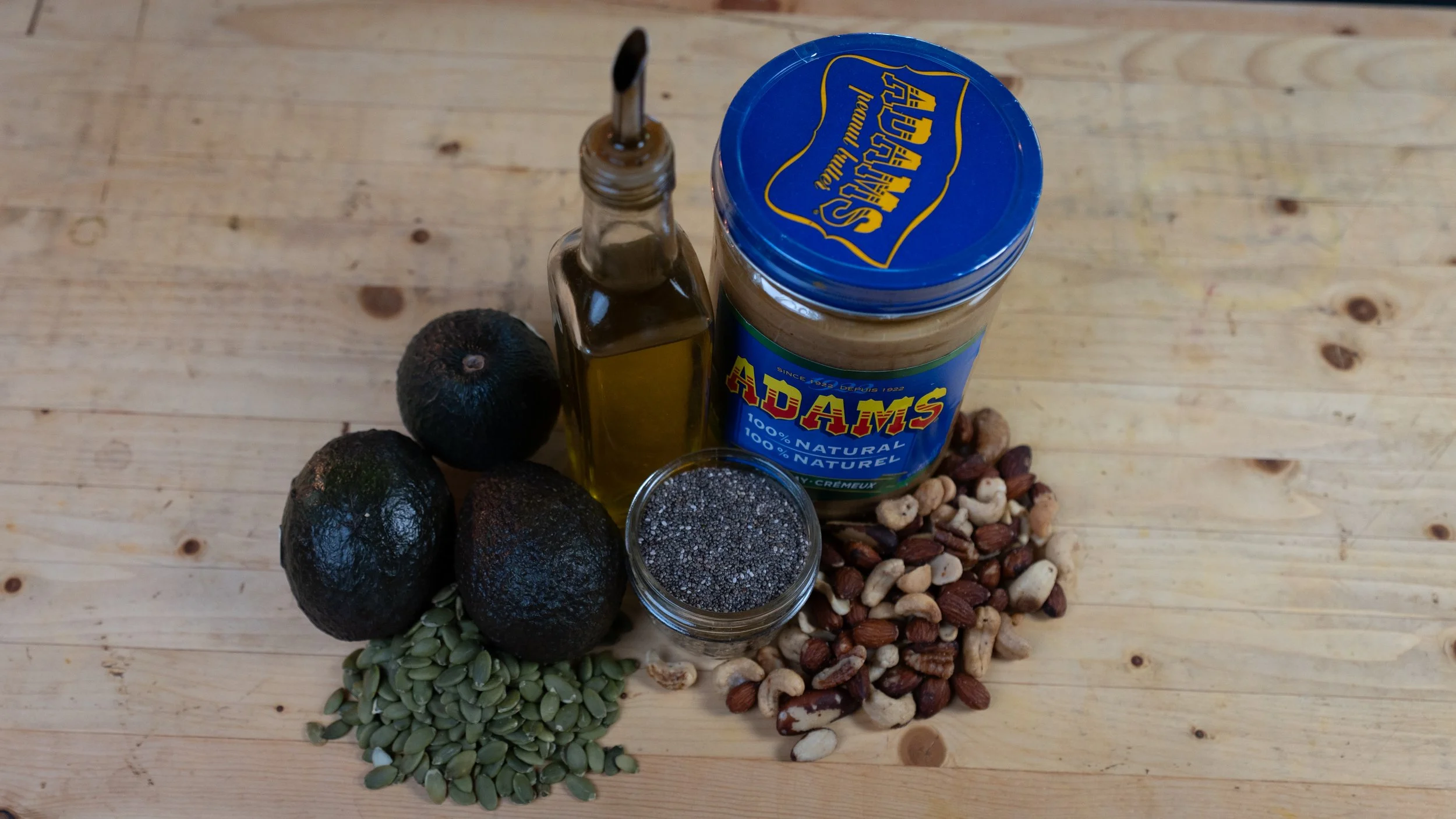
Fats are an important part of any balanced diet. They come in saturated and unsaturated forms (solid and liquid conversely). In the past fats have been villainized when it comes to nutrition, with some being labeled as “bad” and others “good”. There are some fats that are essential and if they aren’t included in our regular diet can lead to health issues down the road.
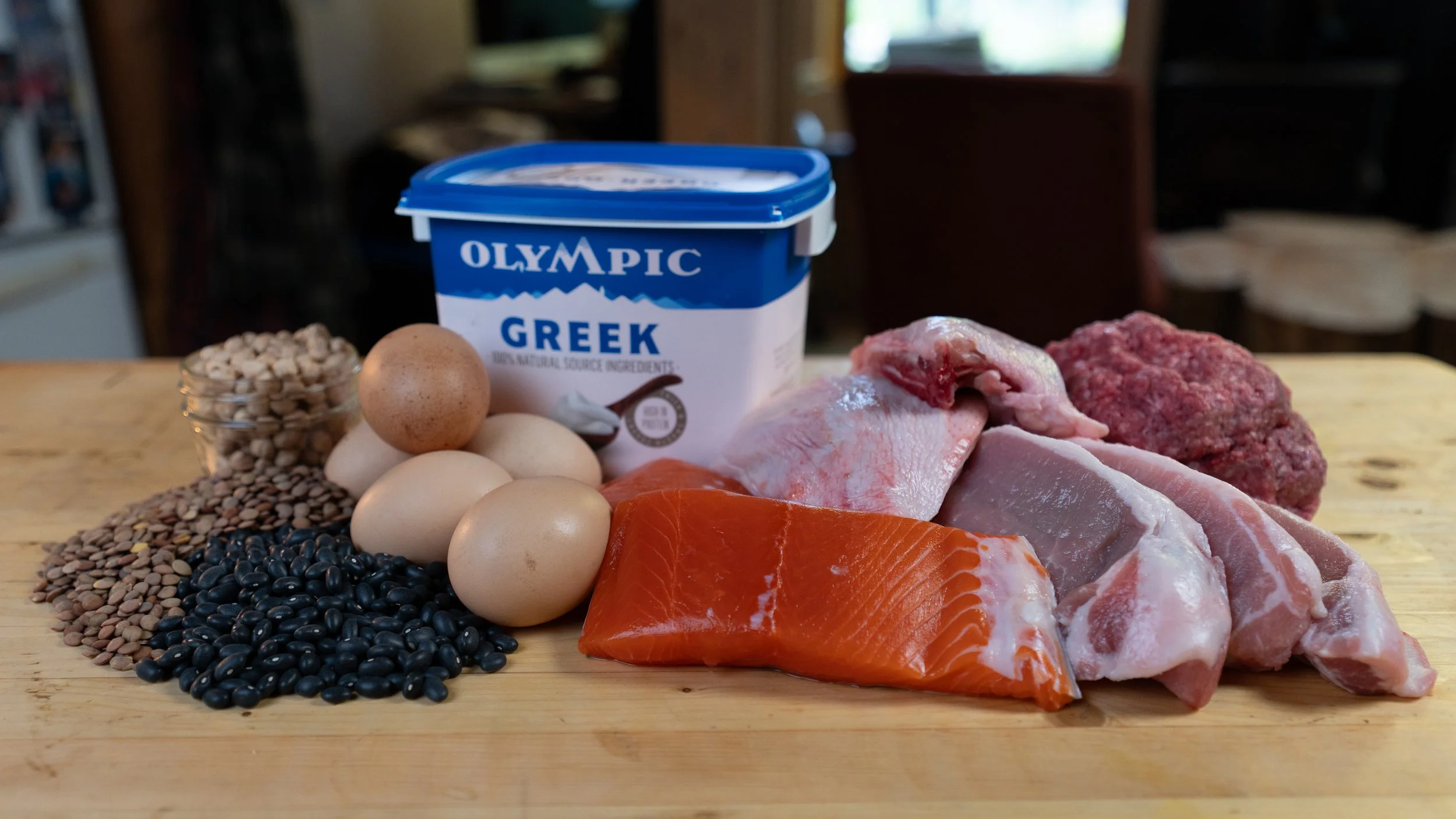
Proteins are the building blocks for all cellular structures in the body. We often think of animal sources when we think if dietary protein, but there are many plant sources as well. Animal protein sources are the easiest way to get a lot of protein without additional carbohydrates, so for plant-based eaters it’s important to ensure you’re getting enough protein to meet your needs.
Fats
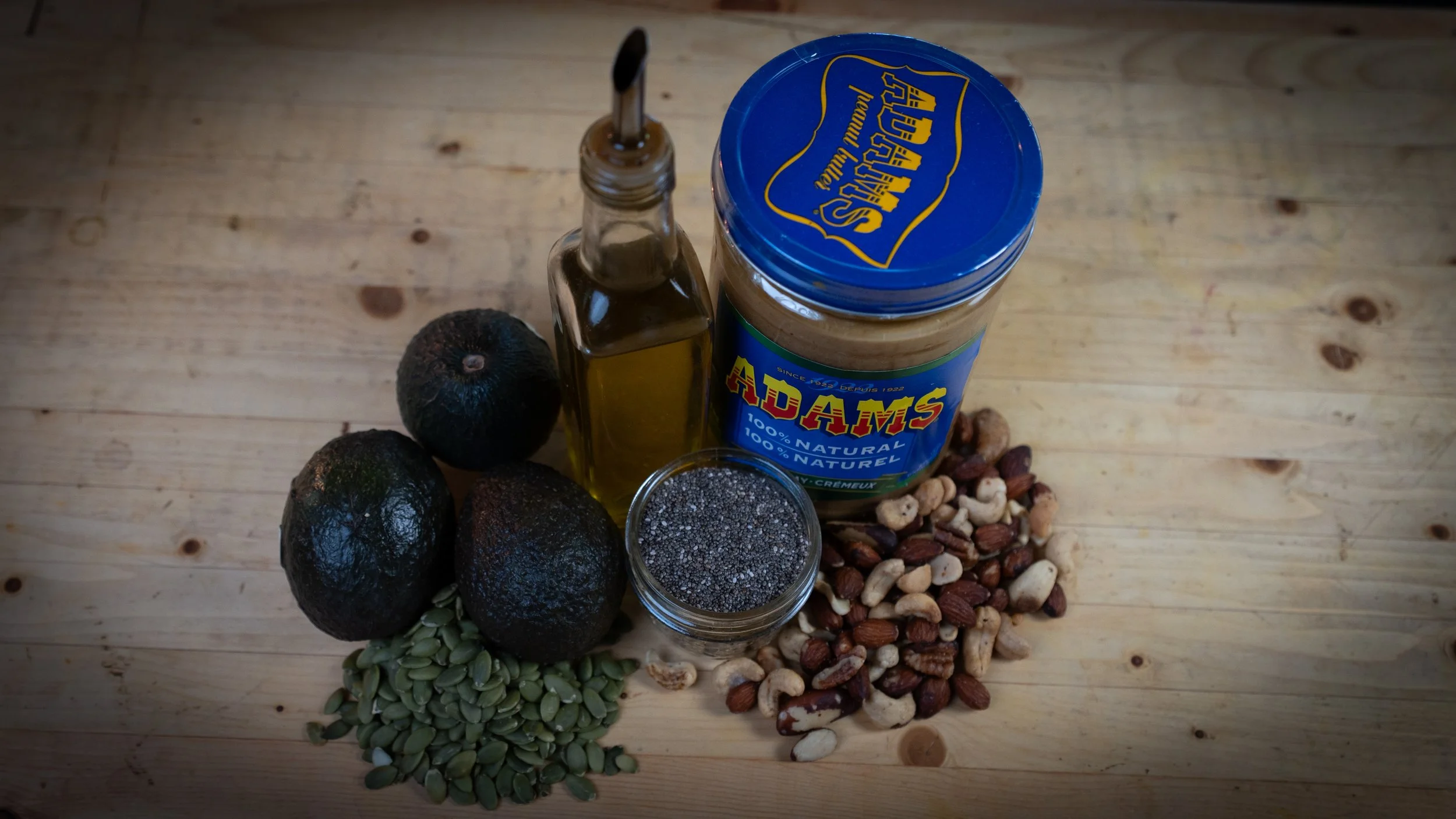
Extra-virgin olive oil — 1 Tbsp = 14 g fat
Avocado oil — 1 Tbsp = 14 g fat
Avocados — half avocado = 14 g fat
Almonds — ¼ Cup = 16g fat
Walnuts — ¼ Cup = 19g fat
Pistachios — ¼ Cup = 14 g fat
Almond butter — 1 Tbsp = 9 g fat
Peanut butter — 1 Tbsp = 8 g fat
Chia seeds — 1 Tbsp = 4.5 g fat
Flax seeds — 1 Tbsp = 4.5 g fat
Hemp seeds — 1 Tbsp = 5 g fat
Pumpkin seeds — 1 Tbsp = 5 g fat
Flaxseed oil — 1 Tbsp = 14 g fat
Eggs — 1 egg = 5 g fat
Salmon (raw) — 3.5 oz or 100 g = 12 g fat
Healthy fats are types of dietary fats that support bodily functions and reduce risk of chronic disease when consumed in appropriate amounts.
There are two types of fats - saturated and unsaturated.
Saturated fats are found mostly in animal products (butter, cheese, eggs, fatty cuts of meat) as well as coconut oil and palm oil and are solid at room temperature.
Unsaturated fats (mono and poly) are found in plant oils (olive, canola, soy) as well as nuts, seeds and fatty fish and are liquid at room temperature.
Neither is inherently bad, but both have been villainized for various reasons. The important thing is that you diversify your sources.
If you are not a vegetarian, it is important to not solely rely on animal sources of fat alone. To be clear, animal sources are healthy in moderation but there are properties of unsaturated fats that are extremely beneficial for our health and therefore we should be consuming foods from that list as well.
The reason unsaturated fats are so good for you and should be prioritized is because they decrease a certain type of cholesterol (LDL) and increase another type (HDL) which, overall, decreases inflammation in the body.
So for the challenge, we would recommend making sure you are eating foods from both categories if you don’t have any dietary limitations. Of course if you are following a plant-based diet then all of your sources will come from plants.
Protein
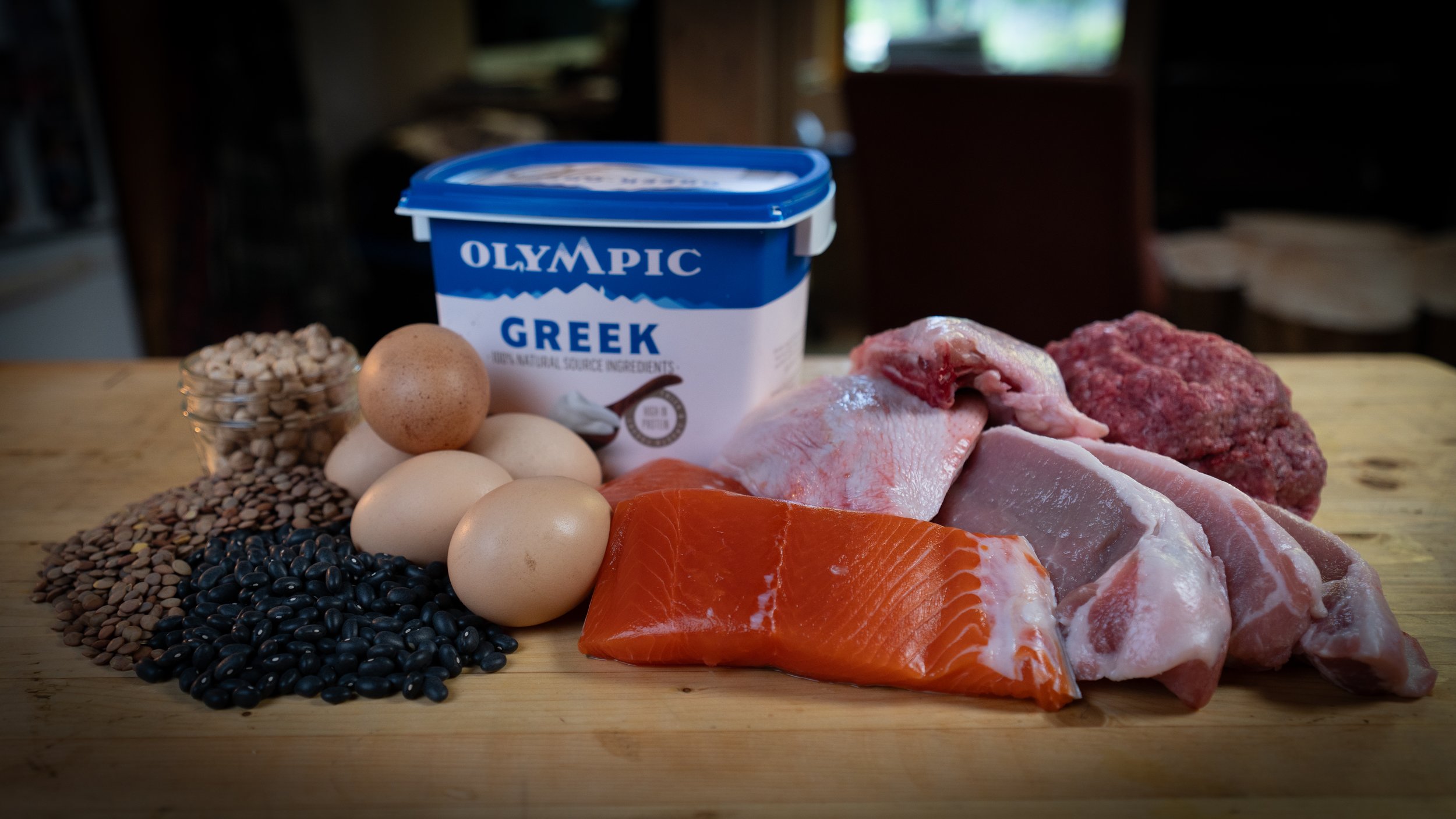
Chicken (cooked) — 100 g = 30 g protein
Turkey breast (cooked) — 100 g = 29 g protein
Lean beef — 100 g ~28 g protein per 100 g protein
Pork loin — 100 g = 28 g protein
Salmon (cooked) — 100 g = 26 g protein
Tuna (canned in water) — 100 g = 26 g protein
Shrimp (cooked) — 100 g = 24 g protein
Eggs (whole) — 1 egg = 6.5 g protein
Greek yogurt (plain, nonfat) — 1 Cup = 26 g protein
Cottage cheese (low-fat) — 1 Cup = 28 g protein
Tofu (firm) — 100 g = 11 g protein
Tempeh — 100 g = 19 g protein
Lentils (cooked) — 100 g = 9 g protein
Chickpeas (cooked) — 100 g = 9 g protein
Quinoa (cooked) — 100 g = 5 g
Protein is a macronutrient made of long chains of amino acids; it plays essential roles in structure, function, and regulation throughout the body.
Essential amino acids are the nine amino acids the body cannot make and must be obtained from the diet. Consuming adequate, high-quality protein intake supports tissue maintenance, immune function, metabolism, and overall mood, not to mention keeps you satiated.
Most plant foods (like beans, lentils, nuts, and whole grains) are "incomplete" because they lack one or more essential amino acids. Eating a variety of plant foods throughout the day supplies all the amino acids you need. Simple pairs include rice and beans or whole-wheat toast with peanut butter.
Also did you know that a lot of foods that we consider carbohydrate sources also have protein in them? Check the carbohydrate list below for some sneaky sources of protein that can help increase your total protein consumption.
Carbohydrates
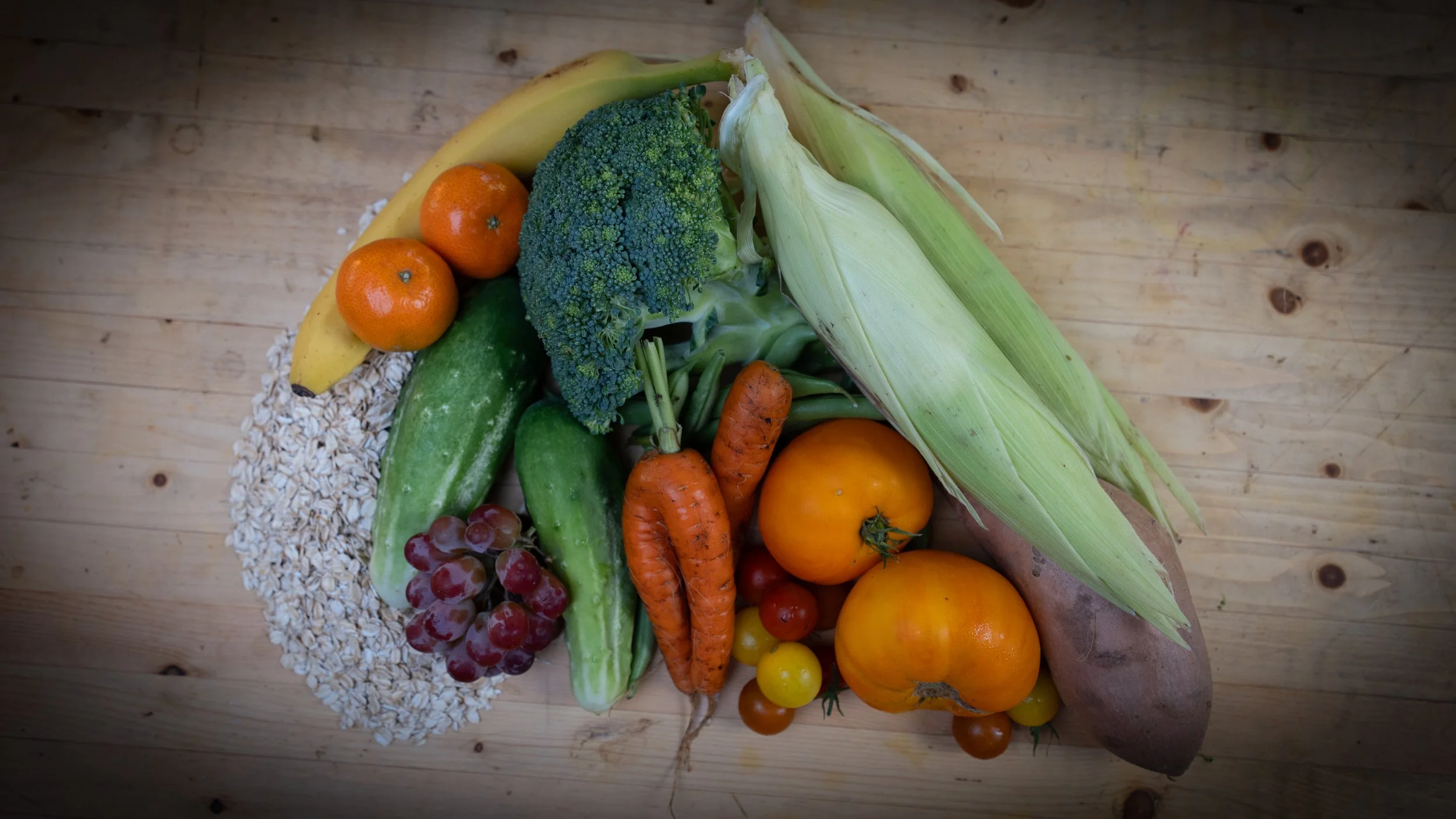
Steel-cut oats (cooked) - 1 Cup = 5 g protein
Quinoa (cooked) - 1 Cup = 8 g protein
Brown rice (cooked) - 1 Cup = 5 g protein
Barley (cooked) - 1 Cup = 4 g protein
Farro (cooked) - 1 Cup = 11 g protein
Bulgur (cooked) - 1 Cup = 6 g protein
Whole wheat pasta (cooked) - 1 Cup = 8 g protein
Buckwheat (cooked) - 1 Cup = 6 g protein
Millet (cooked) - 1 Cup = 6 g protein
Lentils (cooked) - 1 Cup = 18 g protein
Chickpeas (cooked) - 1 Cup = 15 g protein
Black beans (cooked) - 1 Cup = 15 g protein
Vegetables
Fruit
Whole-food carbohydrates—like whole grains, legumes, fruits, vegetables, and tubers—are nutrient-dense sources of vitamins, minerals, and phytonutrients. They also include both soluble and insoluble fibre, which together, slow digestion, moderate blood glucose and insulin responses, support satiety and gut health, and help with weight management. Diets high in these foods are linked to better cardiovascular health and reduced risks of type 2 diabetes and certain cancers.
Choose minimally processed whole grains and starchy vegetables—oatmeal, brown rice, quinoa, whole‑wheat products, beans, lentils, sweet potatoes—and whole fruits and vegetables instead of white bread, pastries, sugary cereals, pasta, and sugary drinks.
Some carbohydrate sources also include protein, which is an added bonus. We’ve included notable amounts here which can help you attain your protein intake goal of 100g or more for the challenge.
Hydration
Water is essential for the body: it does so many things!
supports the movement of nutrients and elimination of waste products
controls body temperature through sweating
maintains blood volume and pressure for circulation
helps digestion and nutrient absorption
allows kidneys to filter waste, make urine, and balance electrolytes and pH
keeps joints, cartilage, and mucous membranes healthy
and affects cognitive processes and physical performance (focus, mood, reaction time, endurance)
Chronic mild dehydration is a sustained state in which daily fluid intake is consistently below what the body needs, producing repeated mild deficits rather than an acute, severe fluid loss. Most people attribute the below list of side effects to other reasons, but we would always recommend checking your consistency with hydration levels first.
Over time, even mild under-hydration can contribute to a range of negative health outcomes like:
reduced urine output or infrequent urination
headaches
fatigue
muscle cramps and stiffness
increased heart rate and blood pressure
A note on sodium: it is an essential mineral that maintains fluid balance in and out of cells, supports nerve impulse transmission, and enables proper muscle contraction, including the heart. It also helps with nutrient absorption in the gut.
Adults generally need no more than 1,500–2,300 milligrams of sodium per day which is equivalent to roughly ¾ of a teaspoon.
Too little sodium can cause dizziness, weakness, or, in severe cases, hyponatremia. Too much sodium raises blood pressure and increases the risk of heart disease and stroke.
To better control intake, focus on whole foods and cooking your own meals.
Kinvia

Virtue has chosen to support Kinvia for this nutrition challenge. Kinvia is an international non-governmental organization with over 35 years of experience supporting children, youth, and their communities in overcoming systemic barriers to their rights to nutritious and culturally-appropriate food.
Vision, Mission & Values
Kinvia is community-focused, values-driven, and committed to lasting change.